New “Active Mobility 2026” Report: Public Transportation Is Becoming Increasingly Accessible by Bike Positive trends in walking and cycling in Austria – more than half the population lives Within a 10-Minute e-bike ride of public transportation
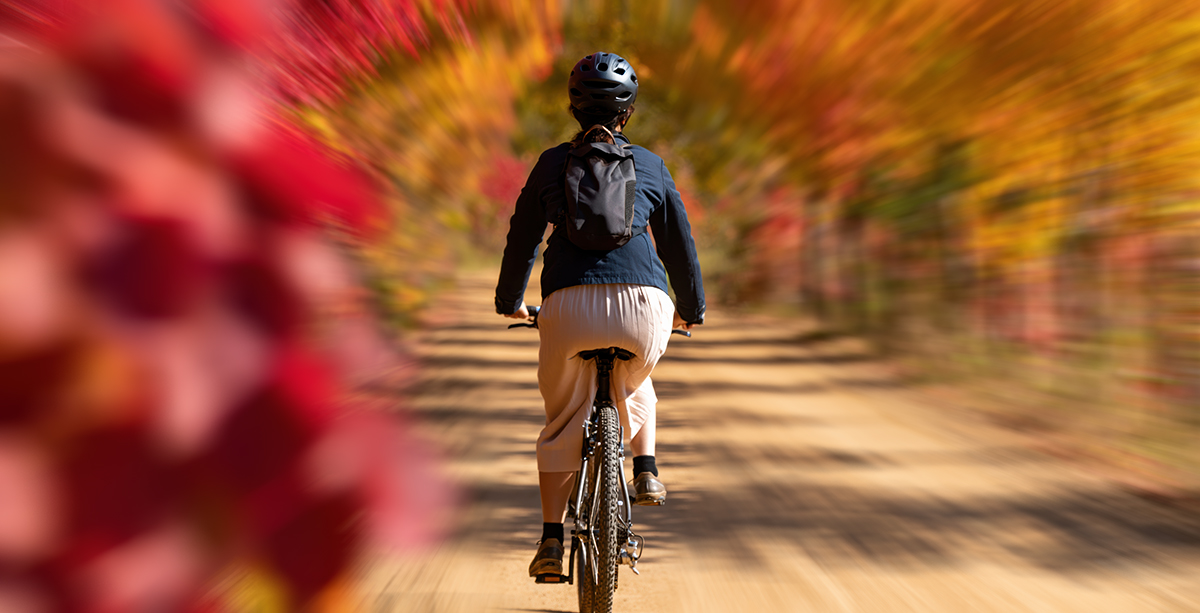
The new Active Mobility 2026 report shows that a consistently large number of people in Austria regularly get around actively — whether on foot or by bike. Particularly encouraging is the growing, safe cycling network: Already, more than half the population can reach the nearest public transit stop from their home in 10 minutes or less by e-bike. As a result, the multimodal combination of cycling and public transit is becoming an attractive alternative for more and more people. Cycling and walking are key building blocks for the transportation transition, especially when combined with public transit.
“Active mobility and public transit complement each other—people who can easily walk or bike to a stop are more likely to choose public transit. This is exactly where we’re focusing our efforts with the targeted expansion of cycling and pedestrian infrastructure. The new report shows that 61 percent of people in Austria can reach their nearest stop in just 10 minutes by e-bike—a positive result that we intend to consistently strengthen through the continued expansion of safe cycling routes,” emphasizes Mobility Minister Peter Hanke.
Cycling and Walking as Part of Everyday Life
The “Active Mobility 2026” report emphasizes that walking and cycling have long been an integral part of everyday life in Austria. More than 7.2 million people in Austria walk for at least five consecutive minutes every day or several times a week. Cycling is also continuing to gain in importance—especially in states like Salzburg, where nearly two out of five people regularly ride a bike. Across Austria, more than 2.1 million people ride a bike daily or several times a week.
Multimodality Is on the Rise
Another important factor is the integration of walking and cycling with public transportation. Already, 14 percent of public transit users ride a bike to and from the stop. In the last survey conducted in 2023, this figure was only 12 percent. Bike & Ride makes the switch to cost-effective and environmentally friendly mobility particularly attractive and demonstrates how important a well-developed cycling and pedestrian infrastructure around transit stops is for the use of public transportation.
Bike & Ride: A Safe Cycling Network as the Key to Success
A key finding of the report is the increased safe accessibility of public transit stops by bike. 61 percent of the population (about 5.6 million people) already lives within a 10-minute “E-Bike & Ride” catchment area of public transit stops and can cycle there using a safe bicycle network. This means that for many people, combining cycling with public transit is a safe and convenient option. Therefore, to promote multimodality, the further expansion of safe cycling infrastructure should be prioritized, particularly in the catchment areas of public transit stops.
Active Mobility 2026 Report
The Active Mobility 2026 Report provides a comprehensive analysis of current trends in walking and cycling, as well as their integration with public transit. The data is based on a representative survey as well as analyses from the digital transportation infrastructure (Graph Integration Platform, GIP) and shows how mobility habits and cycling and walking infrastructure are evolving in Austria. The results provide a relevant data foundation for the implementation of the Walking Master Plan and the Cycling Master Plan.
Walking and Cycling Summit in Eisenstadt
From September 9 to 11, 2026, the state capital of Eisenstadt will host a joint conference on walking and cycling for the first time: the 2nd Austrian Walking Summit and the 17th Austrian Cycling Summit. At the event, approximately 400 experts from politics, government, business, and academia will discuss current trends and developments, drawing in part on the findings of the “Active Mobility 2026” report. The conference offers municipalities, in particular, a great opportunity to learn about successful practical examples of promoting walking and cycling.