New rules for e-scooters, e-bikes and e-mopeds
New amendments to the Highway Code (in German Straßenverkehrsordnung (StVO)) will come into force on 1 May 2026. The government is responding to the rising number of accidents with stricter safety requirements and is providing greater clarity for all road users.
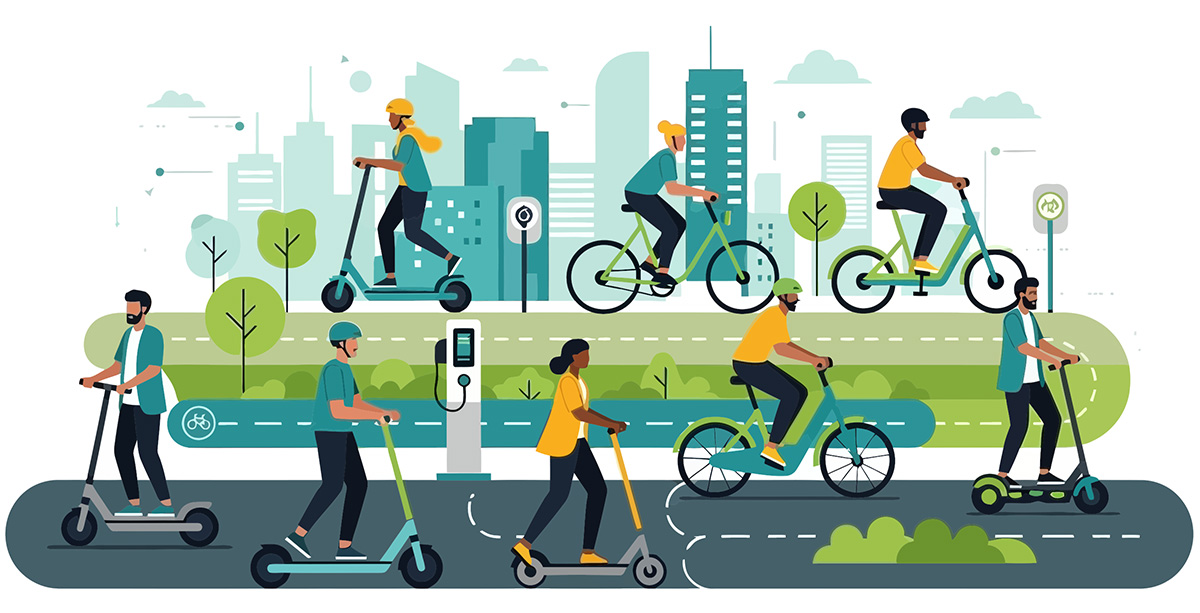
The following applies to riding e-scooters from 1 May 2026
- Compulsory helmet use until the age of 16
- Blood alcohol limit of 0.5 per mille
The following applies to riding e-bikes from 1 May 2026
Compulsory helmet use until the age of 14
The following will apply to riding e-mopeds from 1 October 2026
E-mopeds are no longer classified as bicycles and may therefore not be ridden on cycle paths.
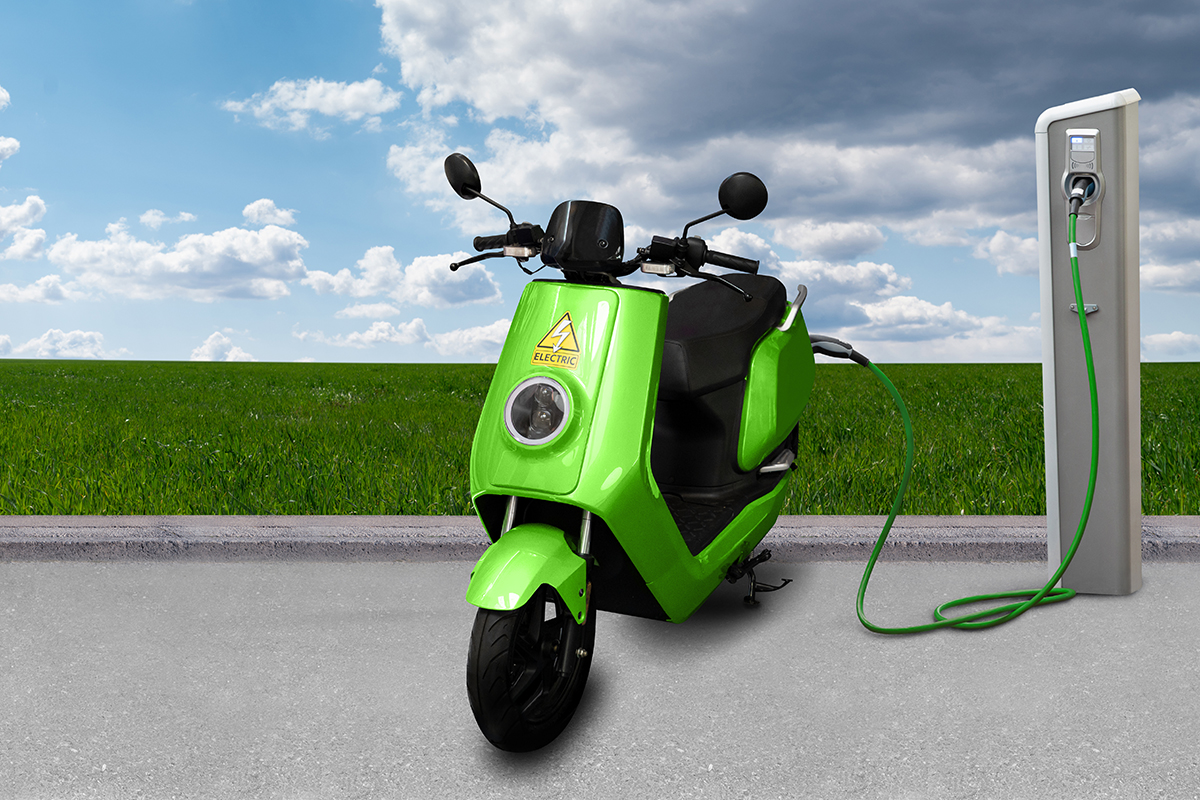
What is an e-moped?
“E-mopeds” are vehicles in the Austrian L1e-B category – that is, two-wheeled mopeds – and are now legally classified as motor vehicles. On the one hand, these are purely electrically powered vehicles without pedal drive; on the other hand, they include vehicle models with pedal drive that have a throttle grip or lever which activates the electric drive even without pedalling. Their use is therefore still permitted, but they must, without exception, be registered or approved.
- They may therefore only be used on the carriageway
- Furthermore, they are subject to compulsory driving licence, helmet and registration requirements.
Multi-track, purely electrically powered vehicles (for example, ‘senior mobility scooters’) continue to fall under the definition of Section 2(1)(22)(d) d of the Road Traffic Regulations 1960 and are legally classified as bicycles, provided they have a rated continuous power output of no more than 250 watts and a design speed of no more than 25 kilometres per hour (Section 1(2a) of the Motor Vehicles Act).
If a vehicle does not meet these conditions, it is not classified as a bicycle but as a motor vehicle.